Skip to content

Posts from the ‘Upgrades’ Category

Upgrading Our Mobile Media

Last week I spent a few hours upgrading our ‘media hub’ in the Airstream.  Much of the technology we had been using was carried-over from LuLu, our previous RV.  Now, nearly six years later from initial purchase, the timing seemed right to upgrade  various mobile internet components Kelly and I will be relying upon as we transition into telecommuting workers.

With an objective of keeping the process simple, I purchased hardware that is known for its quality, reliability, and price value.

The installation was pretty straightforward and less the items listed below, I was fortunate to have everything else required for the installation in my tool box and spare parts kit.  BTW, I purchased everything from 3G Store* and have included the parts inventory below:

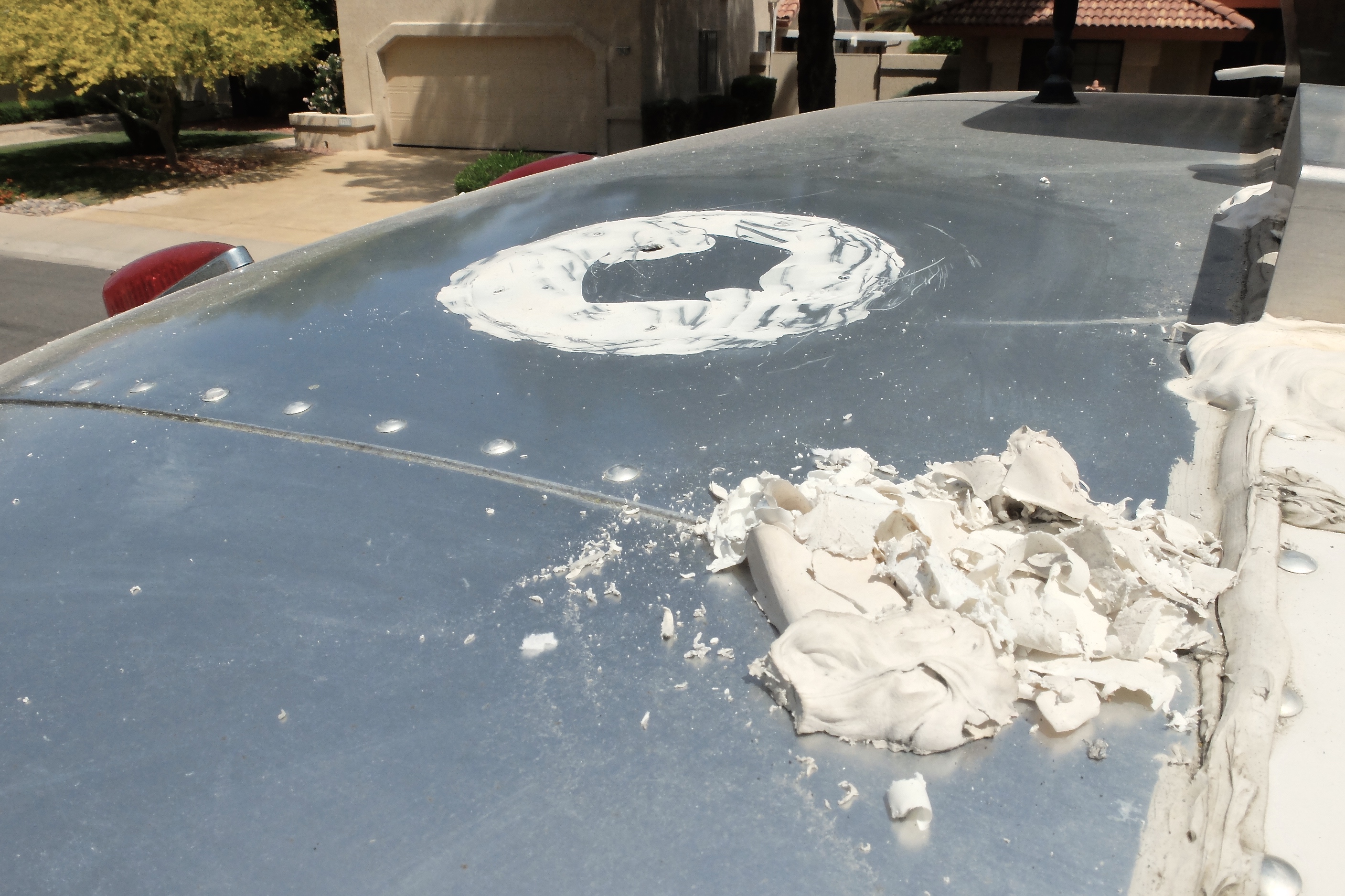
My first order of action was to remove the existing Antenna, but first I had to dig out the waterproofing sealant.
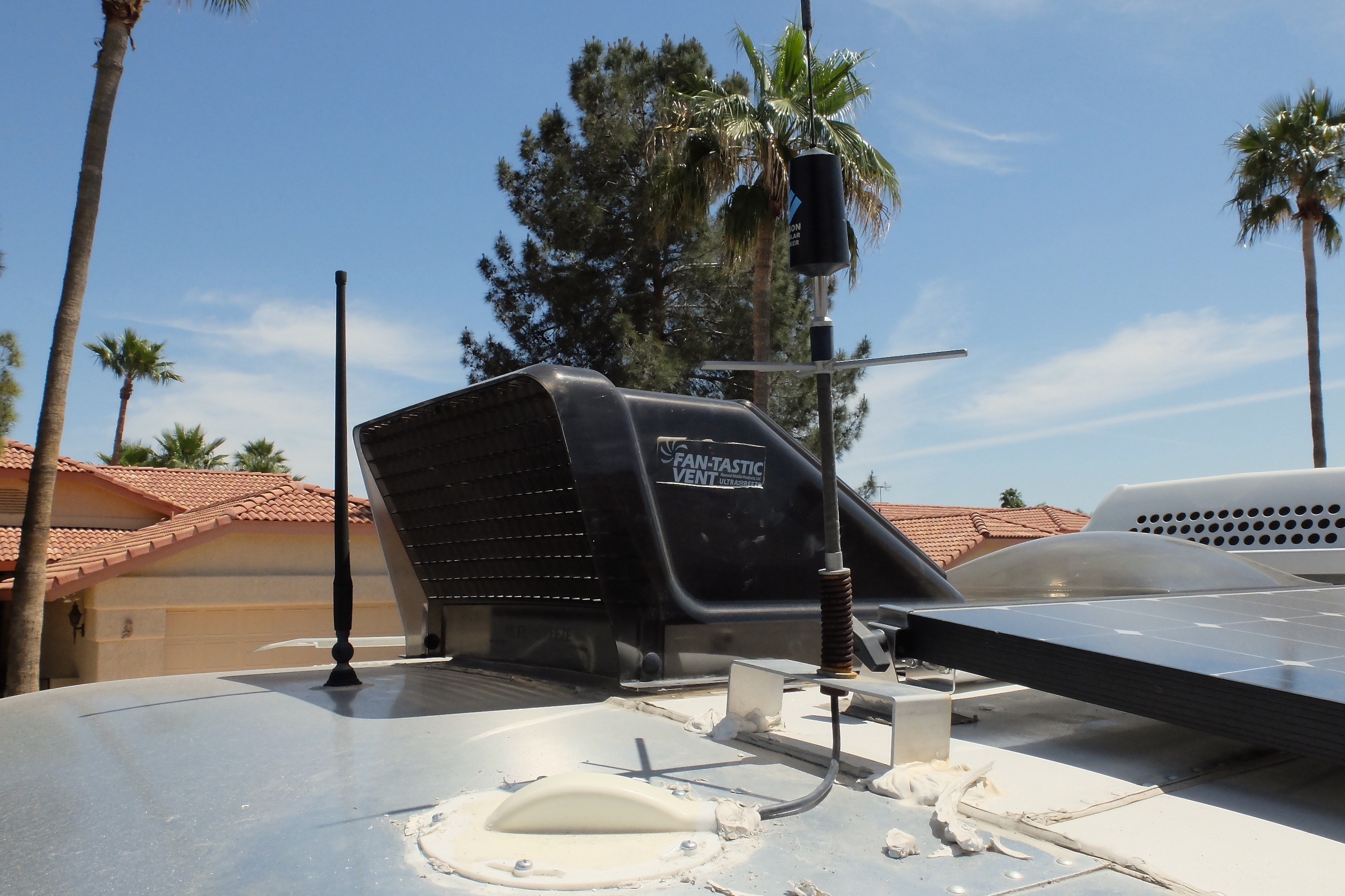
A 2G/3G antenna to be replaced

The existing 2G/3G antenna to be replaced
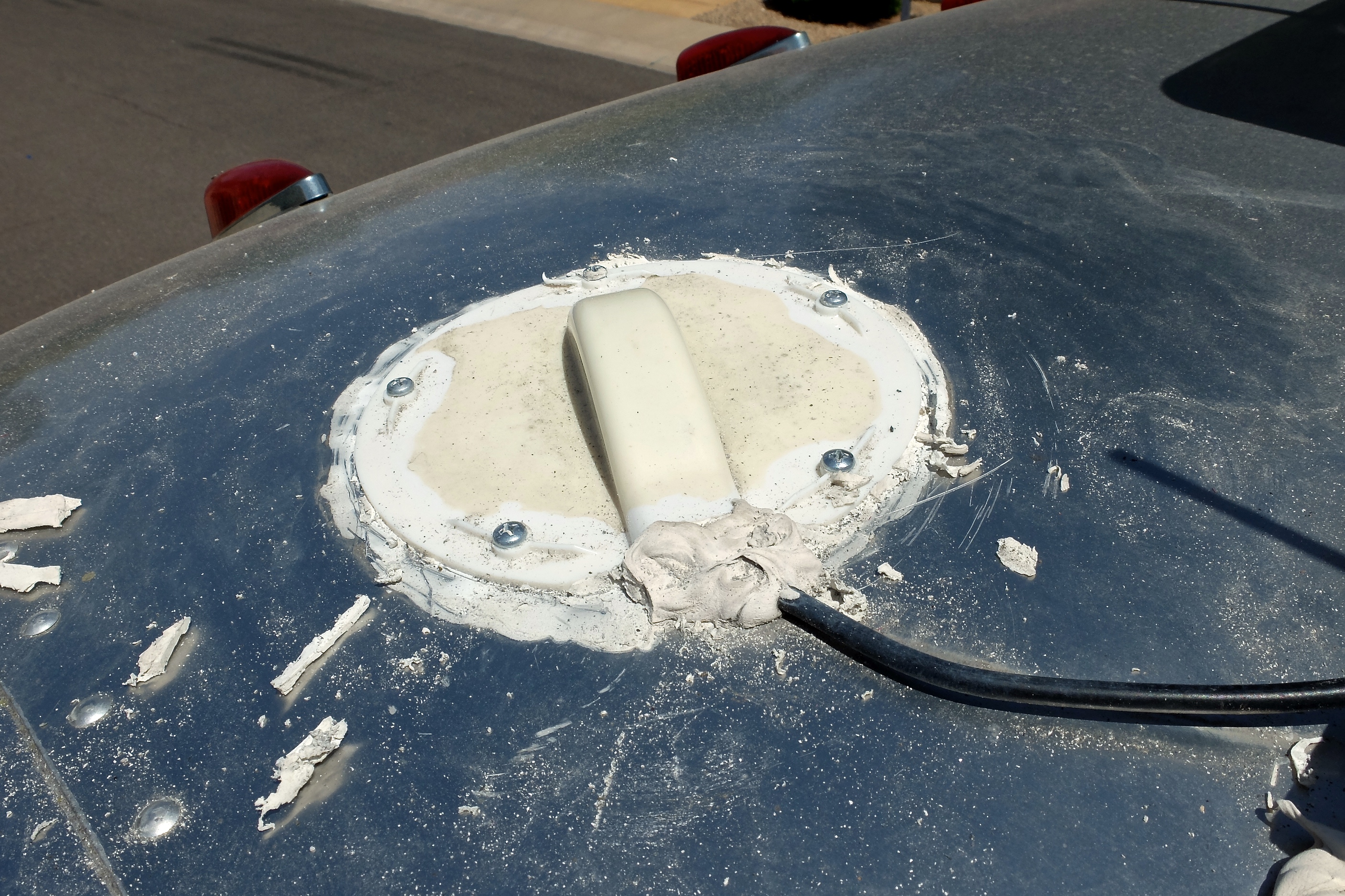
Another view of the antenna housing

Antenna housing / cap

All prepped and ready for final surface prepping.

All prepped and ready for final surface cleaning.

Once the existing parts were removed, I was ready to fish the new cabling and pre-fit the new antenna.  Fishing cable is often tricky, and this effort was no different.  Threading the cable between two holes with tight tolerances proved quite difficult.  Normally I would have used a straightened hanger as a guide needle, but in this instance the tolerance was too tight and the additional hanger width was a problem.  I didn’t want to expand the holes, so atop a ladder and under the blazing sun, I blindly poked new cable (white in color) until I threaded through.  A few four-letter words may have been uttered.
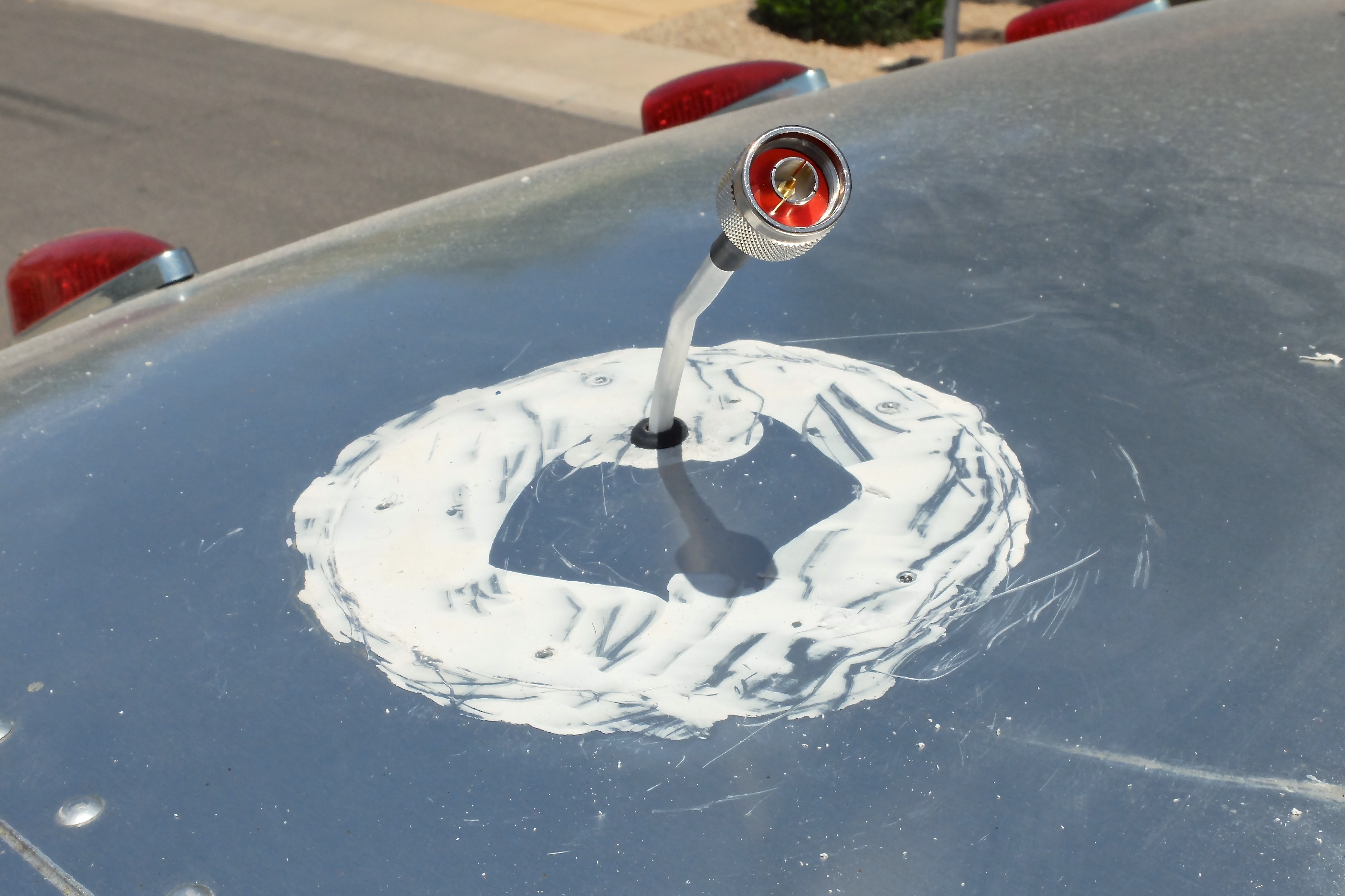
From the roof, I had to thread new cable through the tiny hole.

The black cable was removed; I threaded new cable through the tiny hole above.
The new cable fished cable and ready for fitting.

The new cable fished and ready for fitting.

With the new wiring in place I was ready to begin test-fitting the replacement antenna.  I really wanted to reuse the existing mount bracket as-is, but the height was a challenge.  Various fit scenarios were attempted, and a few failed bracket test holes drilled, but nothing worked.  Once again, a few four-letter words may have been uttered.
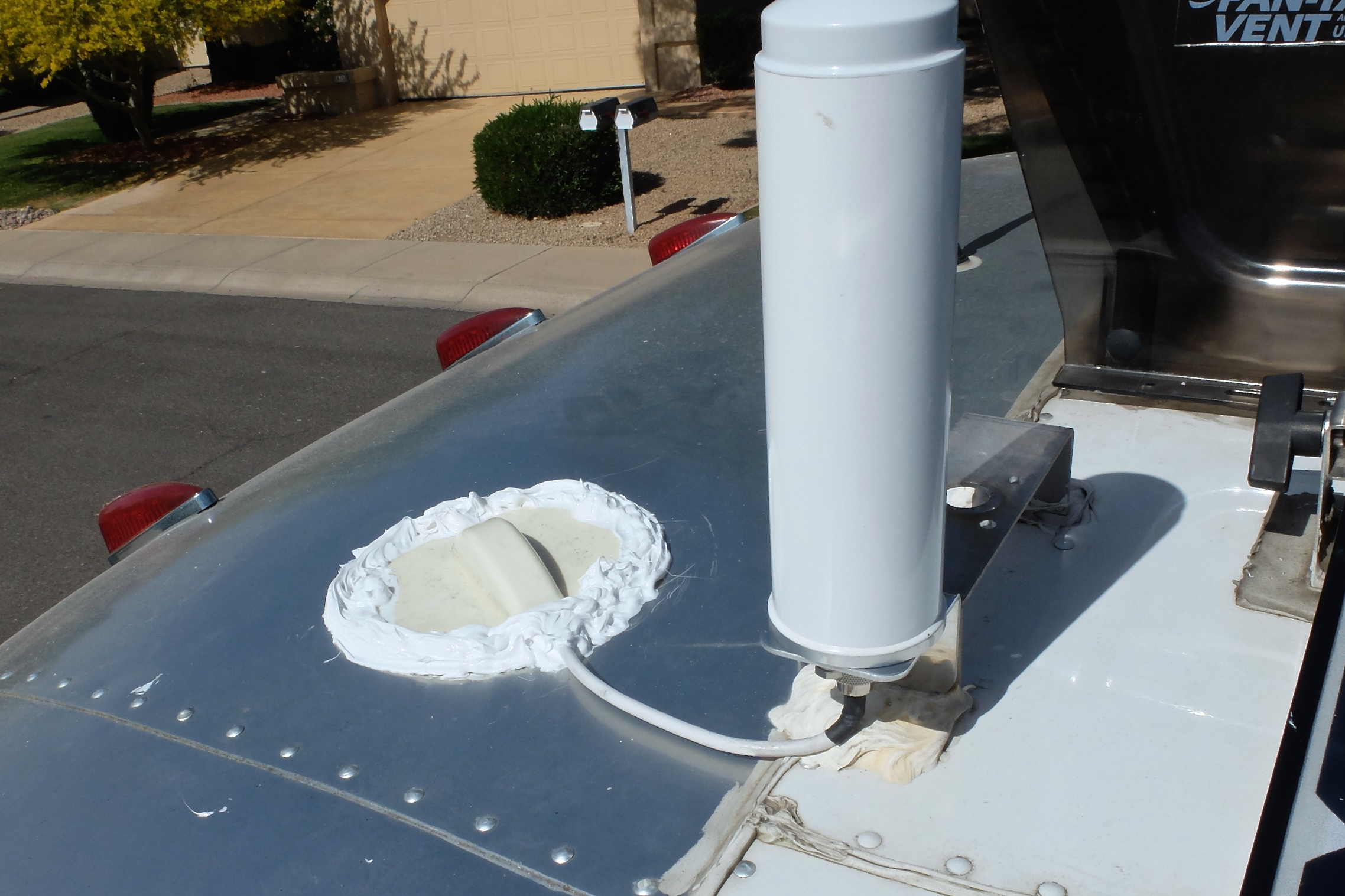
Roof installment completed

Roof installment completed

In the end, I settled on a solution that is not the most aesthetically pleasing, but I think it will work just fine.  More, I was able to reuse existing parts and avoided drilling into the Airstream skin … a win in my book.

Mounting the antenna was only part of the project – I also needed to install the interior signal amplifier connecting to the antenna.  This aspect of the project was quite easy and went quickly.
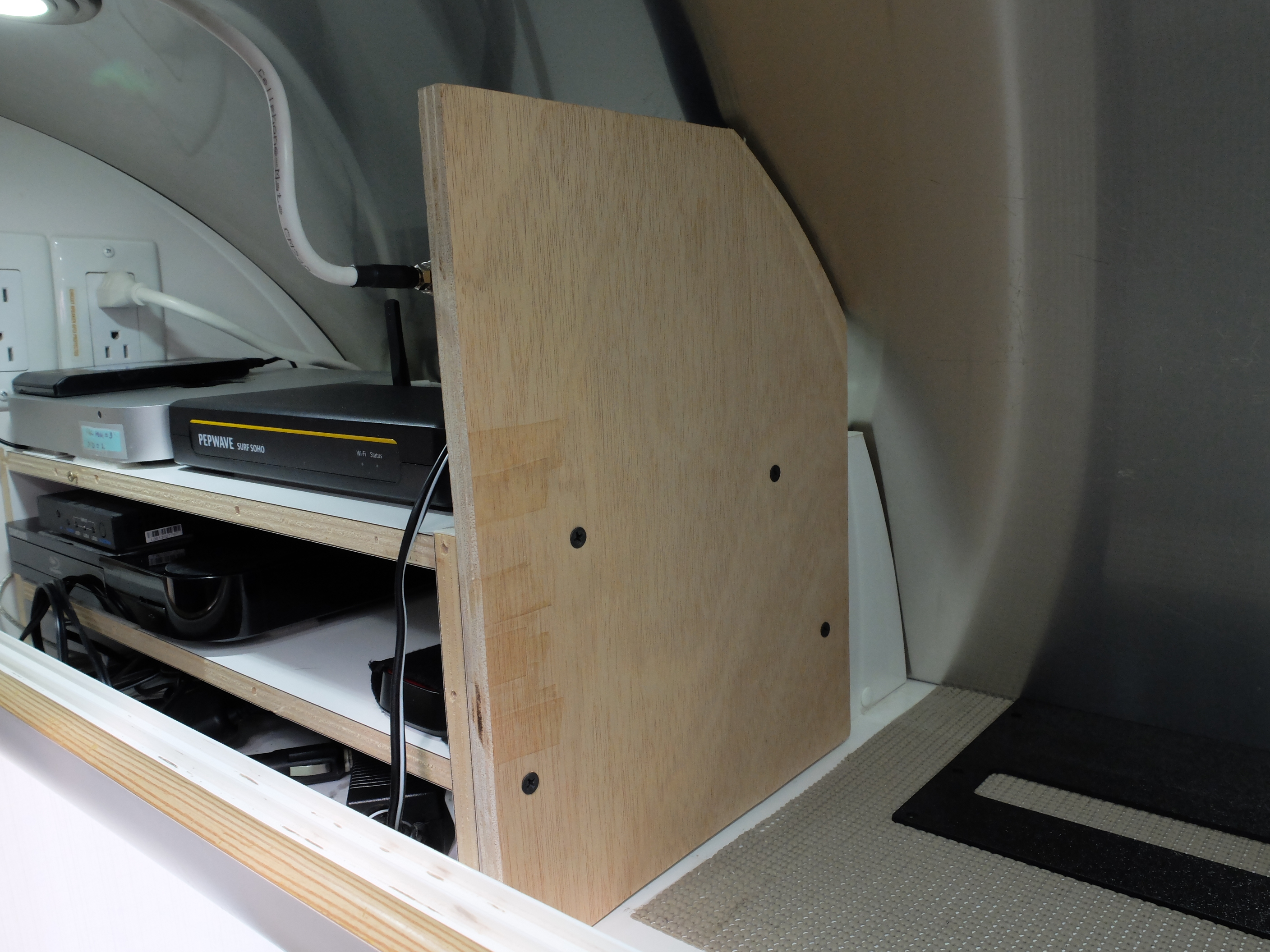
A piece of wood was added as a mounting plate
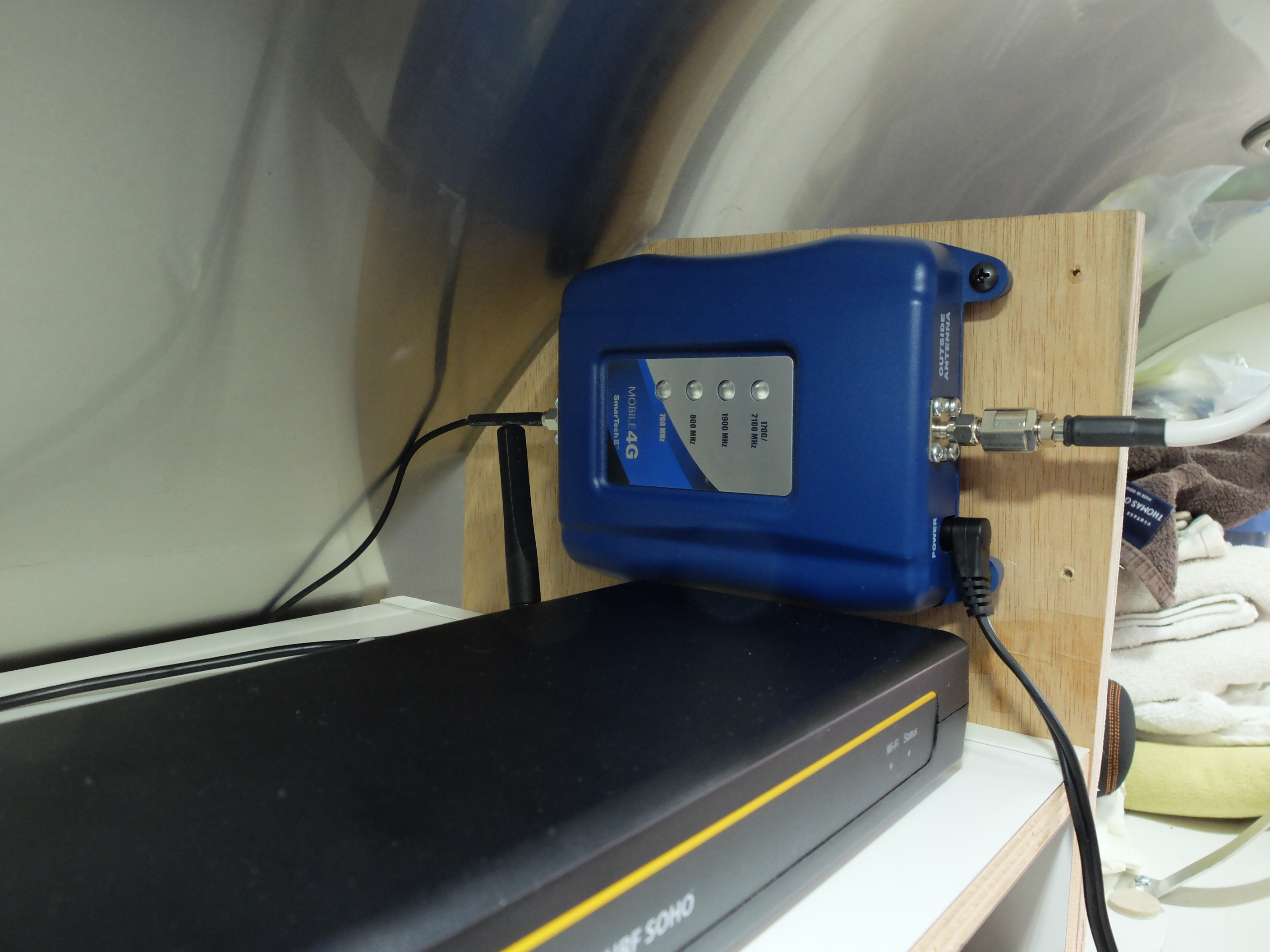
A piece of wood was added as a mounting plate

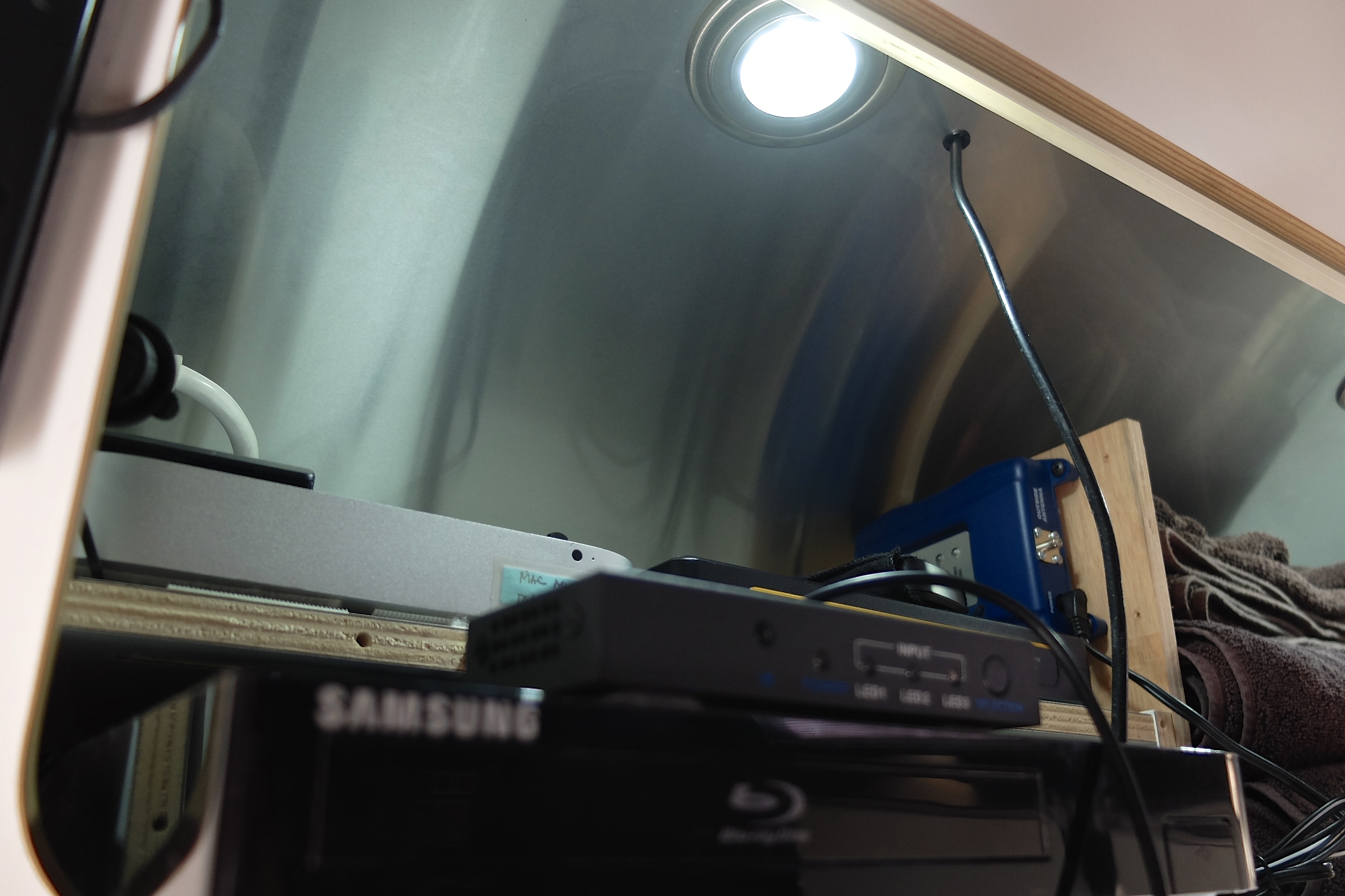
Amplifier mounted
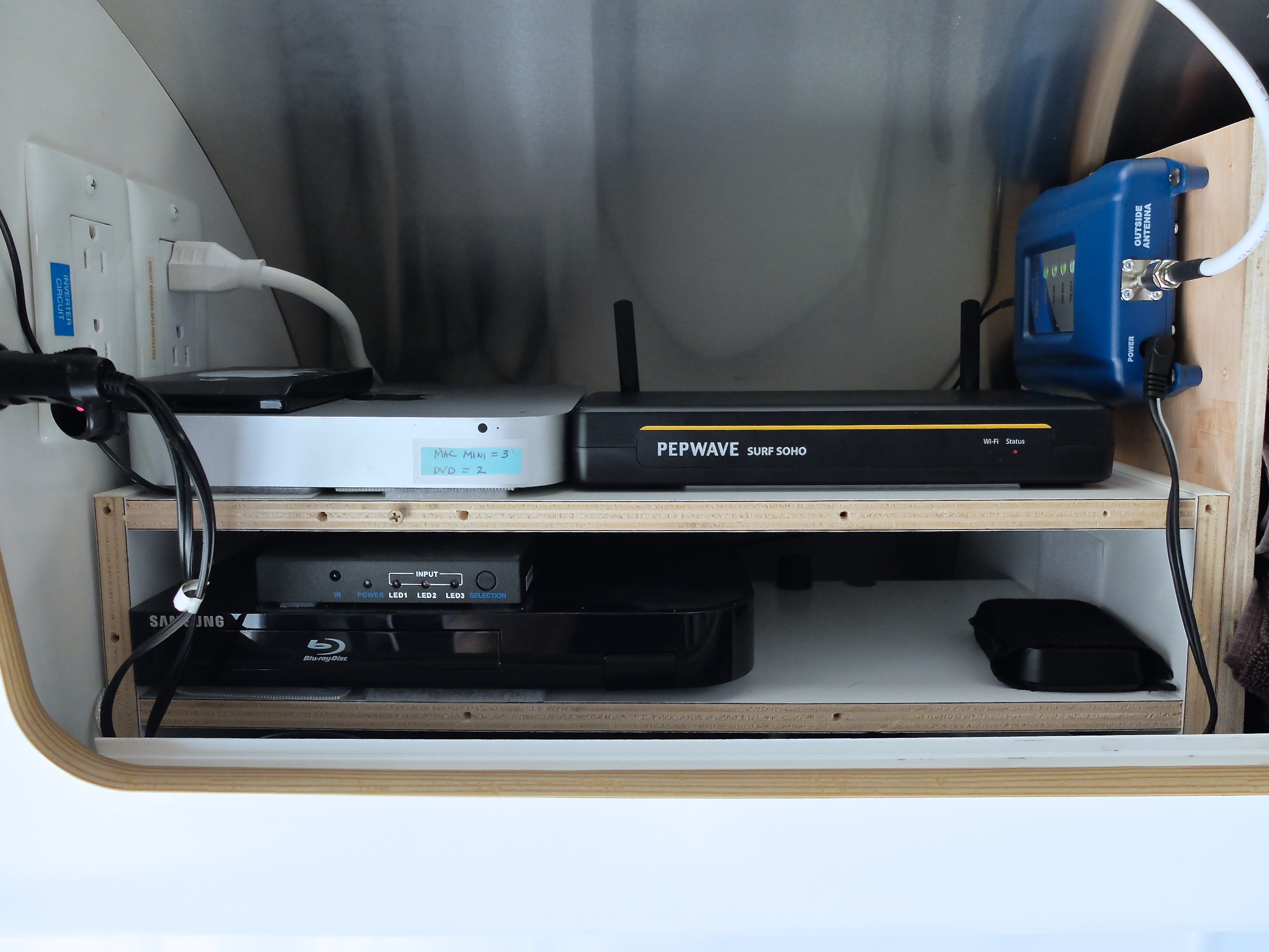
Amplifier mounted

A clean install for my media cabinet

A clean install for my media cabinet

It will be a few weeks before I’m in an area requiring significant signal amplification, but I’m happy to have this project off my to-do list.


* I am not a 3G Store affiliate; I do not receive any compensation or other benefit by sharing any links contained in this post.
12 Volt Twins

Having spent the month of May without full shore power, Kelly and I have been functioning exclusively via solar power.  For the most part, the lack of shore power has been largely a small nuisance, but during this time we’ve come to learn a lot about our power consumption habits and system constraints.

At purchase, our trailer was equipped with an inverter upgrade which allows us to use a subset of electrical outlets since they are powered directly by a pair of house batteries.  Largely, this solution of works well, but does have some gaps – mainly a lack of 12-volt sockets (similar to cigarette outlets, but with greater power capacity) which can be used to efficiently charge various electronics (phones, tablets, etc.) with less power consumption than traditional outlets.

Most annoying is the lack of 12-volt sockets in the bedroom – specifically near the bedside nightstands.  Always looking for a project, today I decided to add a socket to each of the bedroom nightstands.

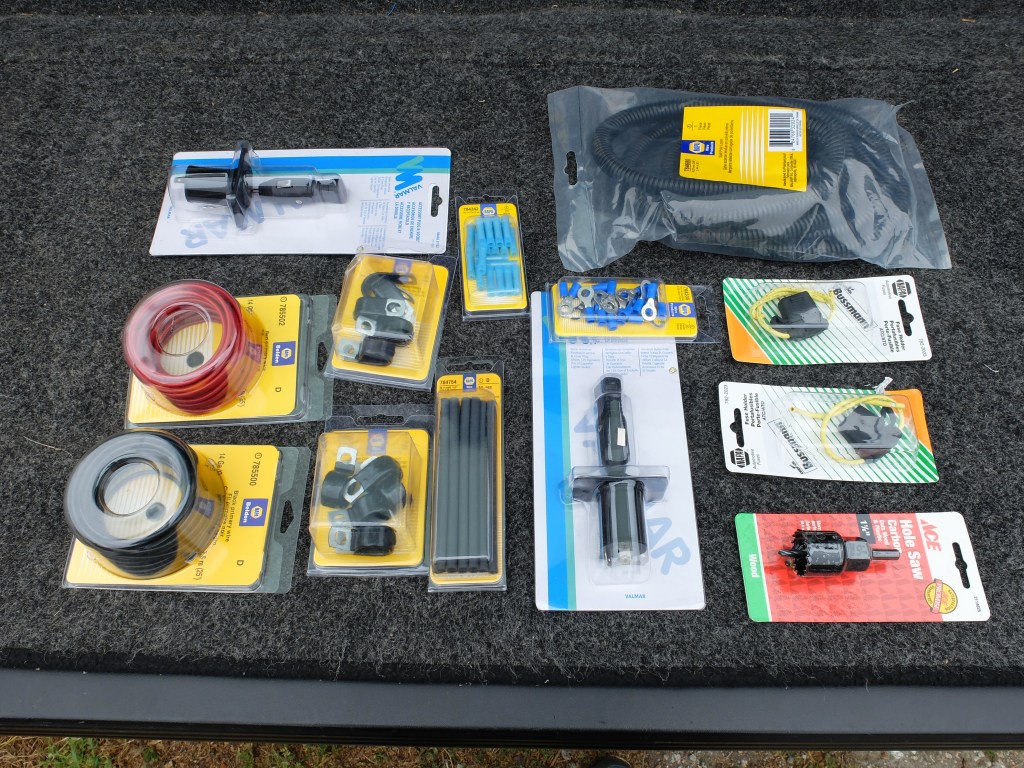
My first order of business included a trip to NAPA auto parts and Ace Hardware for a few required supplies.

A variety of supplies needed for the project

A variety of supplies needed for the project

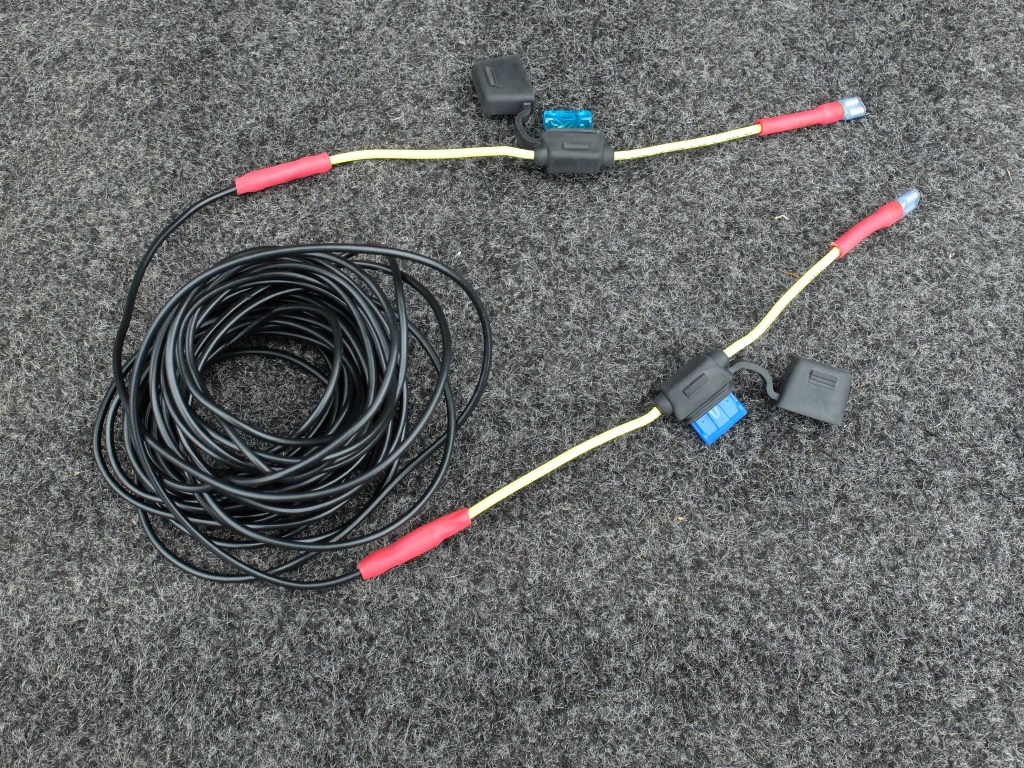
Once all parts were organized I began prepping the cable runs.  I wired-in a 15-amp fuse for each of the negative leads, and added heat shrink over each joint.

Positive cables prepped

Positive cables prepped

Initial wiring of the positive and negative cables was straightforward and didn’t take too much time.  When I completed this task, I began thinking about where to locate the sockets.

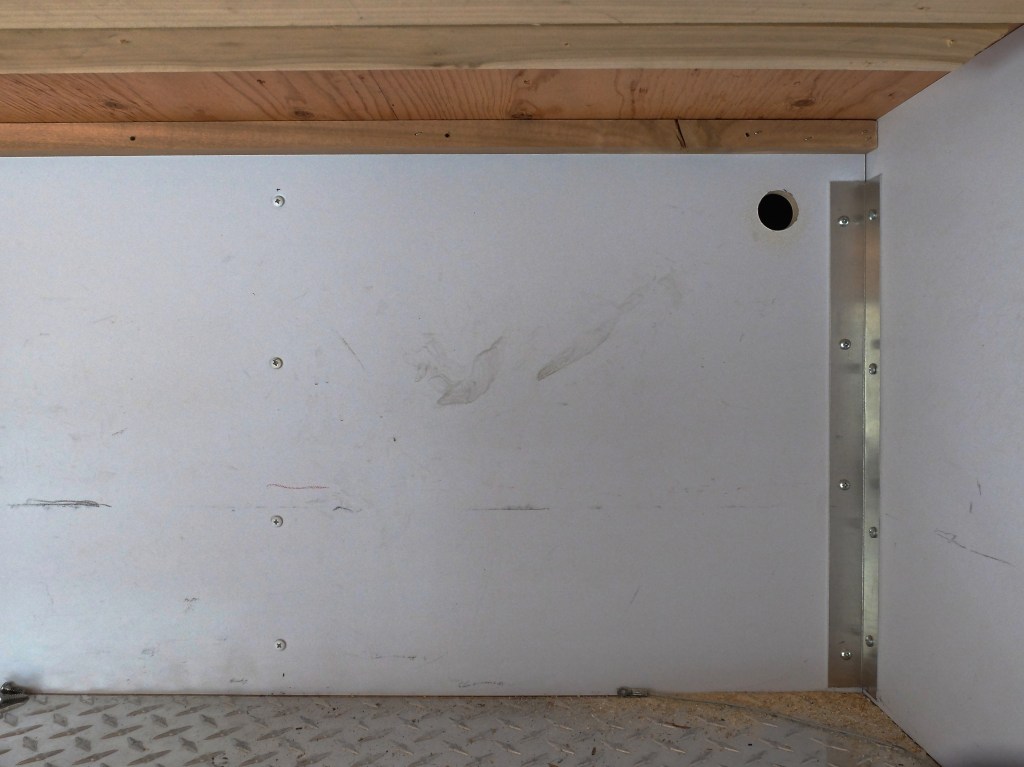
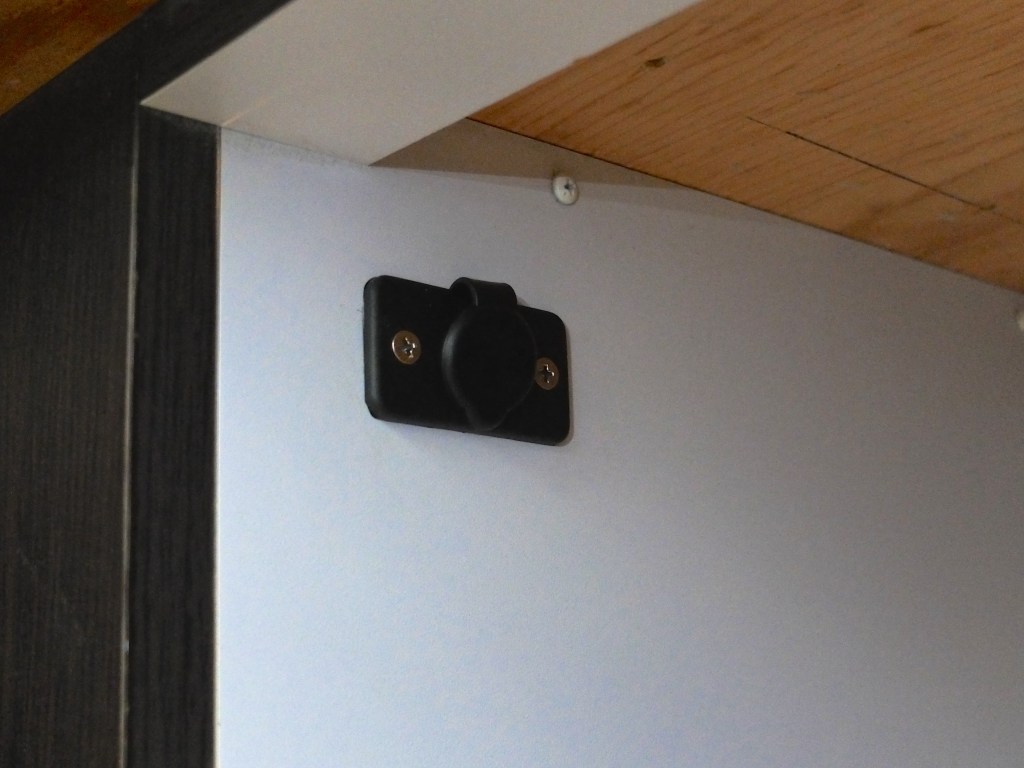
Kelly’s chief request with this project was that I locate the  sockets discretely, away from plain view.  Our 27′ FB floor-plan situates the bedroom close to the forward storage area … an easy location for tapping into power.  Once I finalized the socket location, I used a hole saw to bore an opening for each socket.  The first image below is taken from the garage (under) bed storage, while the second is taken from inside the trailer after I had completed seating the socket into place.

I repeated this process for Kelly’s side of the bed, then shifted my attention back to the wiring.

One of the holes awaiting the 12volt socket

One of the holes awaiting the 12-volt socket

The socket installed under the bed, next to the nightstand

The socket installed under the bed, next to the nightstand

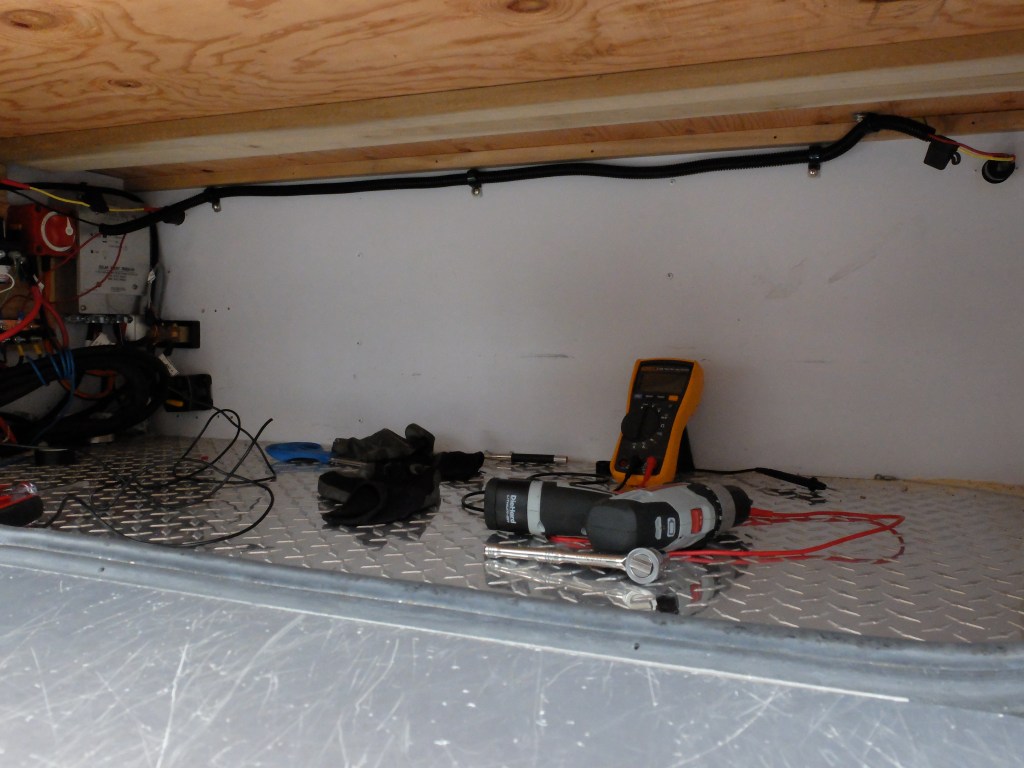
With the sockets in place, I could then determine how much wire would be needed to reach the buss bars I’d be tapping into for power.  As seen in the picture below, I consolidated the positive and negative wires from my nightstand side of the bed into protective split loom before anchoring the bundle up and out-of-the-way.

Wiring from the far side nightstand

Wiring from the far side nightstand

Kelly’s nightstand is really close the DC (12-volt) electronics bay, negating the need for split loom.  This being the case, I finalized the wire lengths and attached everything remaining into place … doing my best to keep things “tidy” despite the mass of existing wires already in the area.

Then, using my trusty multimeter, I confirmed both sockets were fully powered “hot” at 12.5 volts and ready for use.

Kelly's socket entering the electronics bay.

Kelly’s socket entering the electronics bay.

A spaghetti mix of wires.

A spaghetti mix of wires.

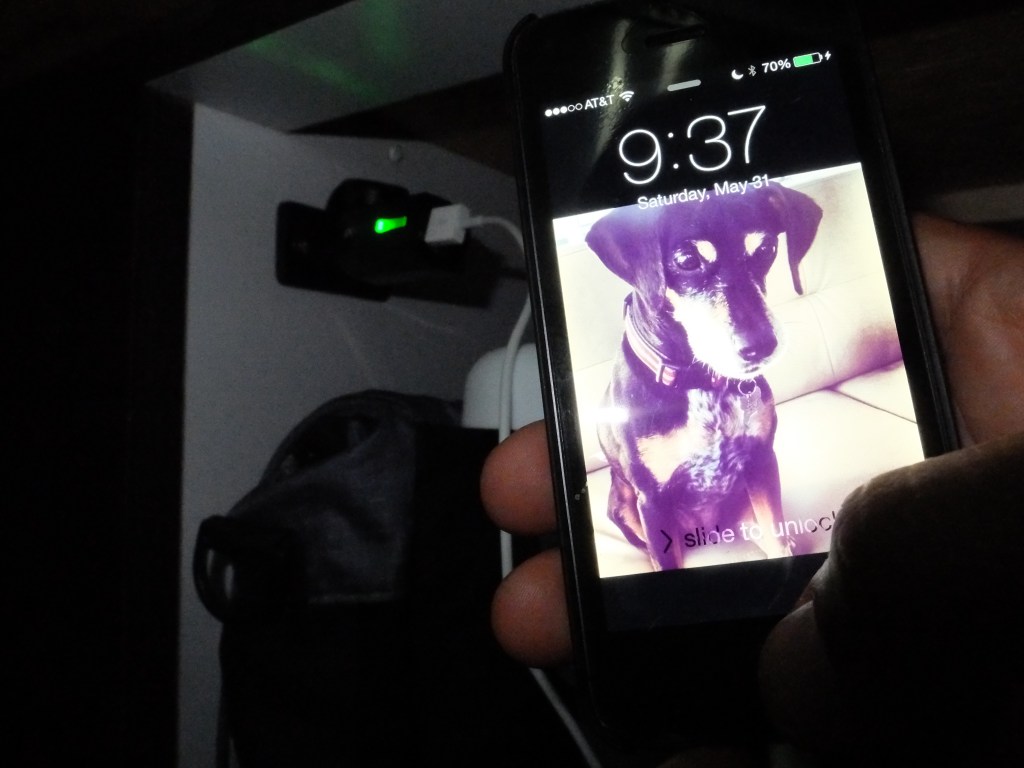
Theoretically, my work was complete at this point – all that remained was to test both sockets.

Power!

Power!

While I forgot to snap a picture of the partition wall which protects the electronics from all the junk I keep in the “garage”, I reinstalled this divider, effectively concluding the project.  Satisfied with my accomplishments, I rewarded myself with a very satisfying beer.

All in, I’m out about $60 in parts, which I suspect will prove to be money well spent.


Be Gone Ugly Accordion Dividers

Life on the road isn’t always full of fun and splendor.  Case in point … a few days ago, one of the accordion privacy dividers in the trailer busted, resulting in it hanging limp and pathetic.  Coincidently, I hated the dividers as equipped by Airstream so I was happy to have an excuse to explore a different solution.

IMG_3551

The dragging divider on the floor

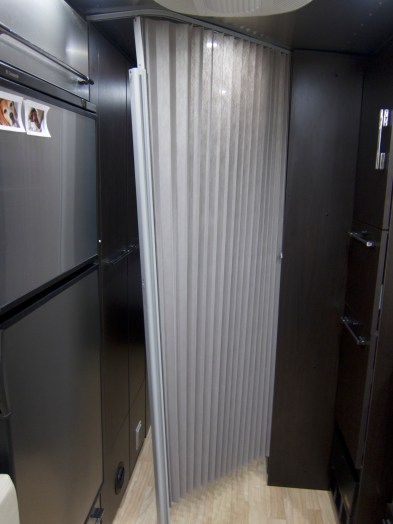
For the uninitiated, our coach is equipped with two dividers, each hanging from a ceiling track.  Chiefly, these curtains provide privacy as needed when we find ourselves frolicking about in the nude, but not wanting to display our nakedness in full glory to any passerby onlookers.

(And yes … technically we have window curtains, but the dividers are employed when curtains are not pulled closed)

My beef with the dividers is that they are ugly as shit.  I’m not being dramatic – they are not good-looking whatsoever.  Once the failure occurred, I needed apply only minor arm-twisting to convince Kelly that the only good solution would be to remove the dividers and replace with something better looking.  Henceforth, the search for replacement material commenced.

Once fabric was secured (a fancy looking shower curtain to be specific), we needed to find new track glides.  As fate would have it, Sun City West happens to be home to plenty of RV service and sales businesses, and without any delay we quickly collected the necessary track hardware.

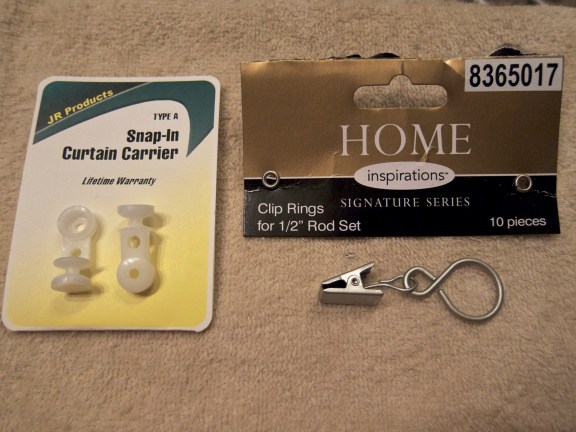
The final step in the planning process was to determine a method of affixing the curtains to the track glides.  Up for the challenge, I went to JoAnn Fabrics (a first for me) and bought a couple of curtain rod slides which, with a little modification, I figured would work nicely.

Hardware purchased for the modification

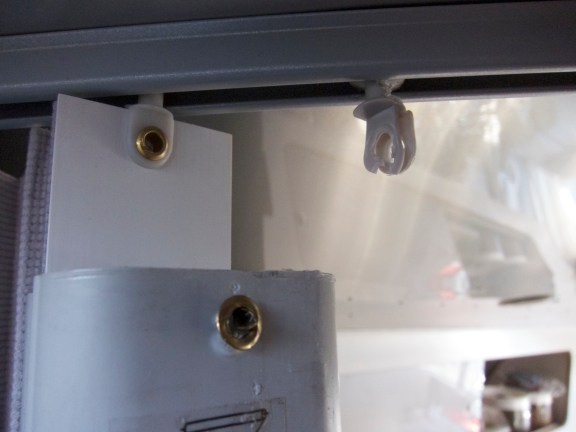
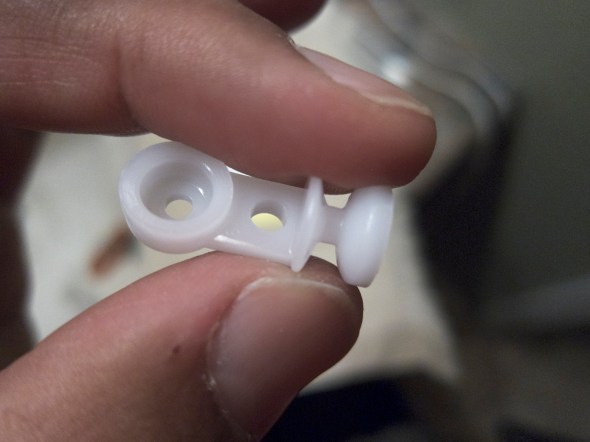
Close-up of the new ceiling track slides

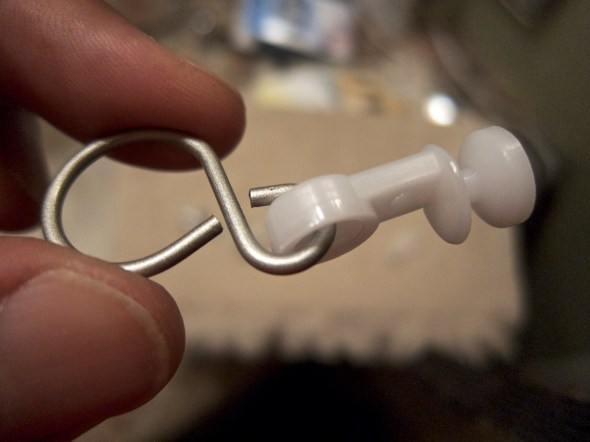
My plan was to deconstruct the aluminum thingamajig hangers and use one piece to connect into the plastic slide, the other to the curtain fabric.  The idea worked like a charm and I quickly had all the modified pieces completed.

The modified track glide

The newly constructed thingamajig

As purchased, the curtains had a slit which was fished through the open end of the metal hook above.  And with that, I had my solution ready to go.  Easy peasy.   From here, I unscrewed the entire ceiling track assembly and removed the accordion divider.  Once that was done, I threaded the thingamajig into the track and re-installed back to the ceiling.  Then, just like that – bam – I was back in business.

Two accordion dividers retired and replaced with a set that offer a bit less boring and more pop.  So, without any further adieu … I offer the first look at our new divider curtains.

IMG_7826

IMG_7830

Faucet Upgrade

I’ve never been a big fan of the bathroom faucet supplied by Airstream.  With a very low profile, a tall guy like me must complete what feels like a full forward bend simply to wash my face … which drives me crazy.  For 16 months I have dealt with this hassle and often made my frustrations clear to anyone listening (i.e. – Kelly).

Likely tired of hearing my whining complains, the other day Kelly suggested we find a replacement unit.  Before she could change her mind, I began my search in earnest, scouring the web for ideas.

During the search process, I came across some pictures of a nice looking unit from Ikea.  The price ($99) seemed reasonable and I decided to purchase one for myself.  Having never placed any online order from Ikea, I was not sure what to expect, but am pleased to confirm that the process was swift and painless.  I placed the order Monday and via standard delivery, received the unit Friday.

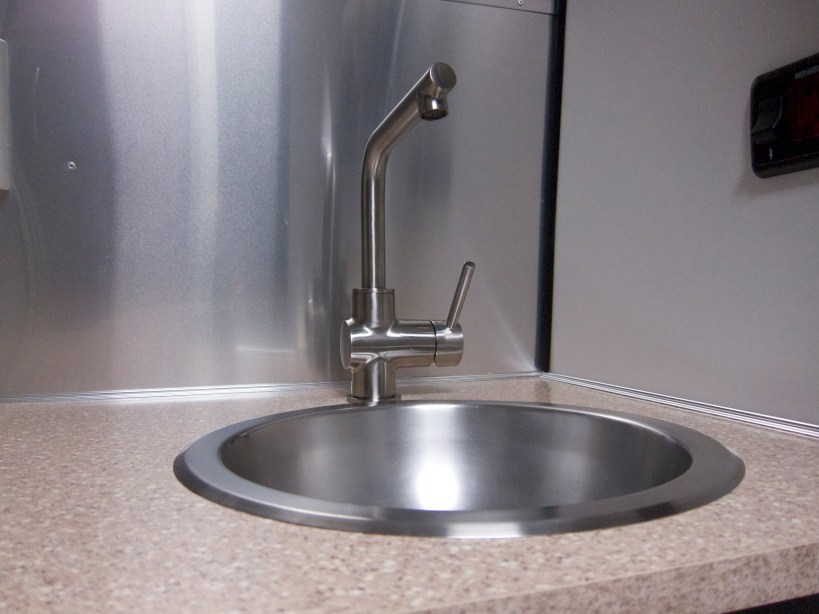
Earlier today … in less than 30 minutes I unpacked the new faucet, removed the existing unit, cleaned the countertop, and completed the swap.

Before

Before

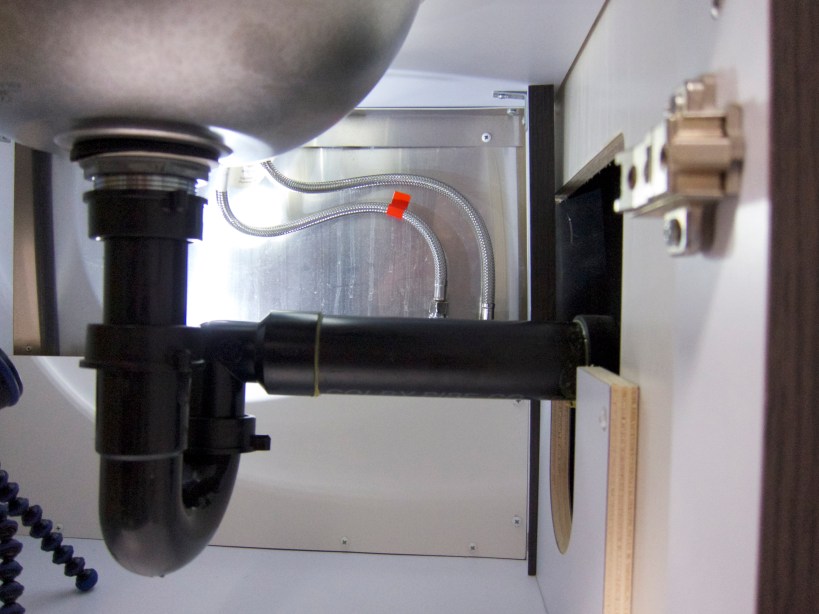
Previous plumbing

Previous plumbing

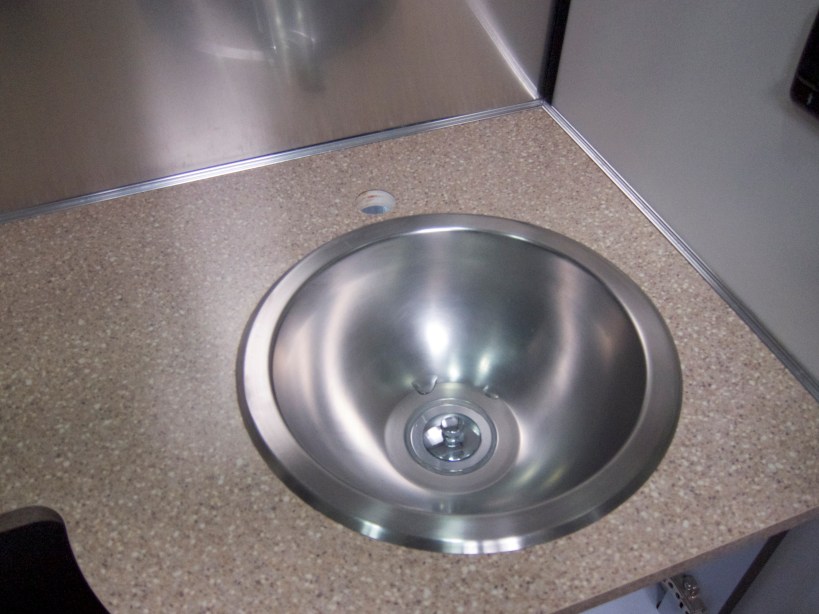
Countertop awaiting a new faucet

Countertop awaiting a new faucet

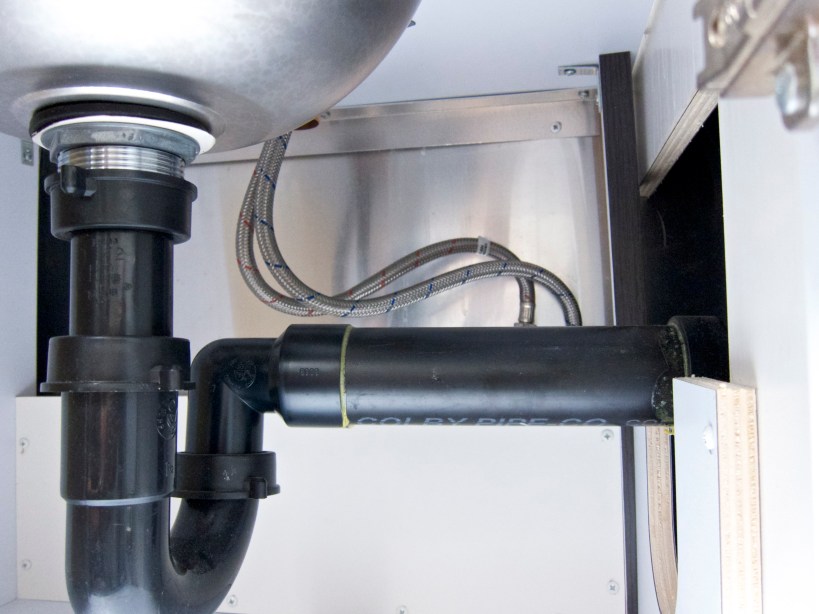
Replacement (new) plumbing

Replacement (new) plumbing

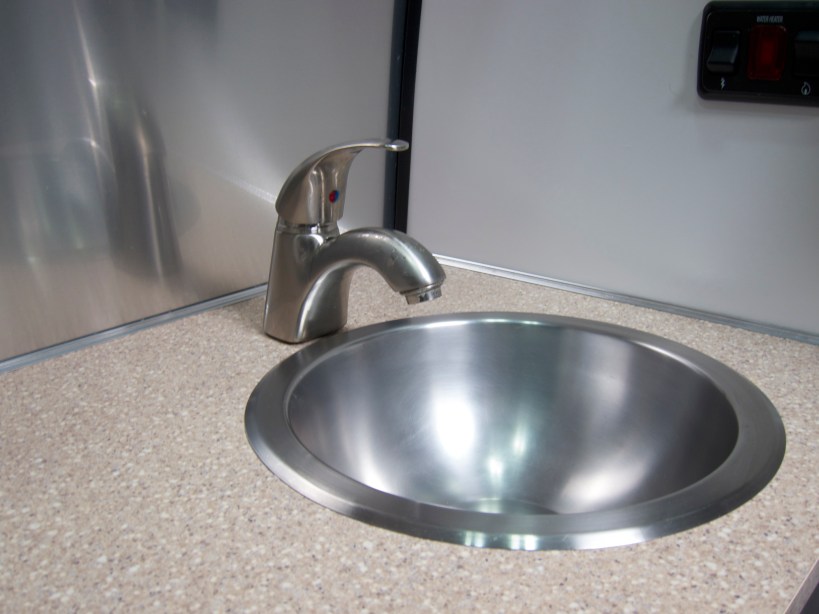
After

After

Put another way, this is a one beer job.

Time will tell if I like the new faucet more than the previous, but I’m very optimistic.  If nothing else, the new unit looks much nicer, so I’ve got that going for me.